Future-Future enables architects to win the work they want and gain recognition worldwide.
We work globally with ambitious studios of all sizes on business development, marketing, communications, public relations, and thought leadership.
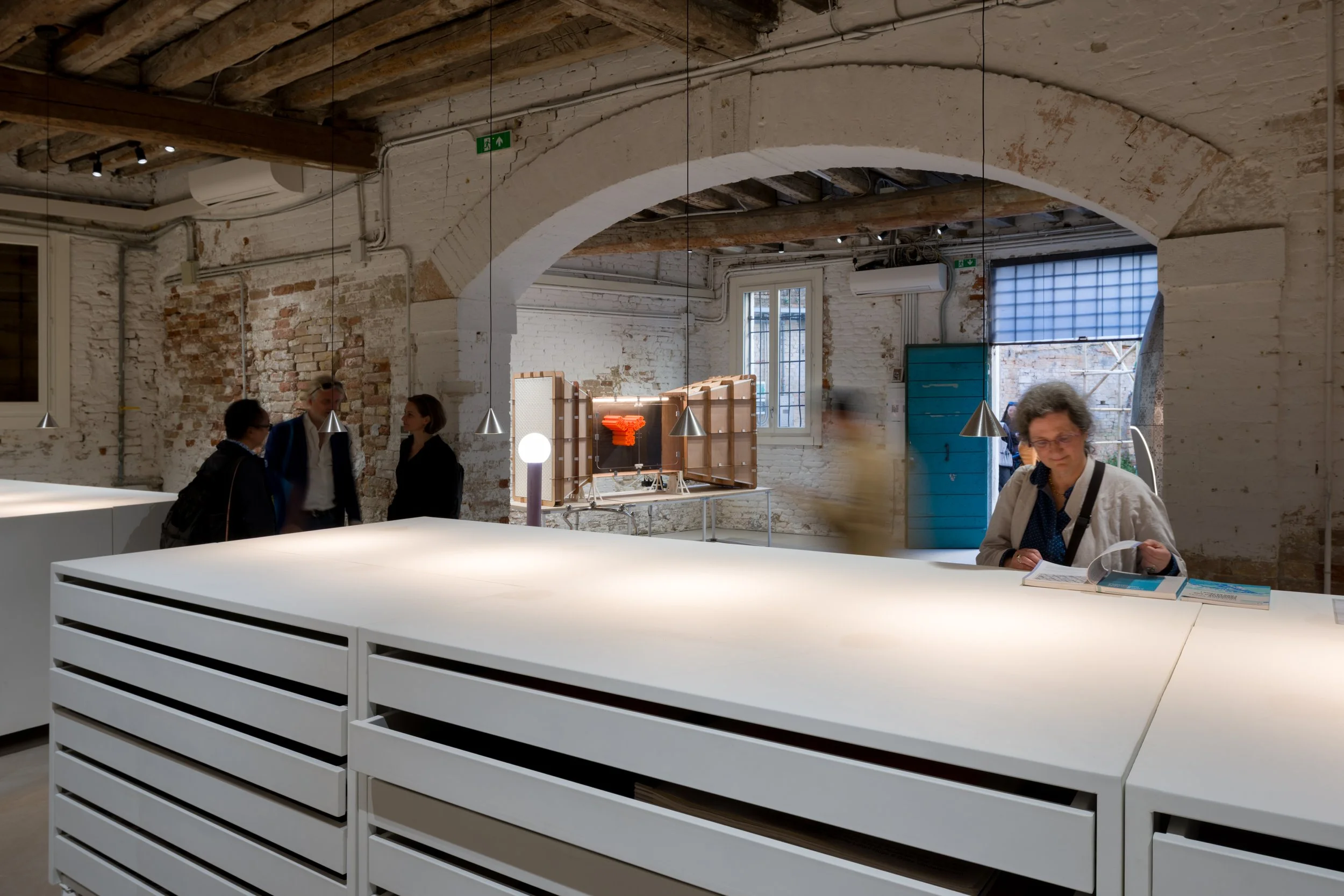
How can Hong Kong’s exhibition at the Venice Architecture Biennale resonate with international audiences?
Winning cultural work requires a sustained business development strategy: one that focuses on cultivating relationships over competition entries; deep research into which institutions are likely to tender projects through an invited RFP process, leveraging points of alignment between a firm's distinct niche and approach and these potential clients; and communications initiatives that emphasize the firm’s selling points.
Successful architecture firms position themselves around a core idea – a design approach, theme, or solution – that clearly reflects their ethos and philosophy. This core idea forms part of the firm’s broader narrative that builds public perception, either explicitly, or by interpretative association.
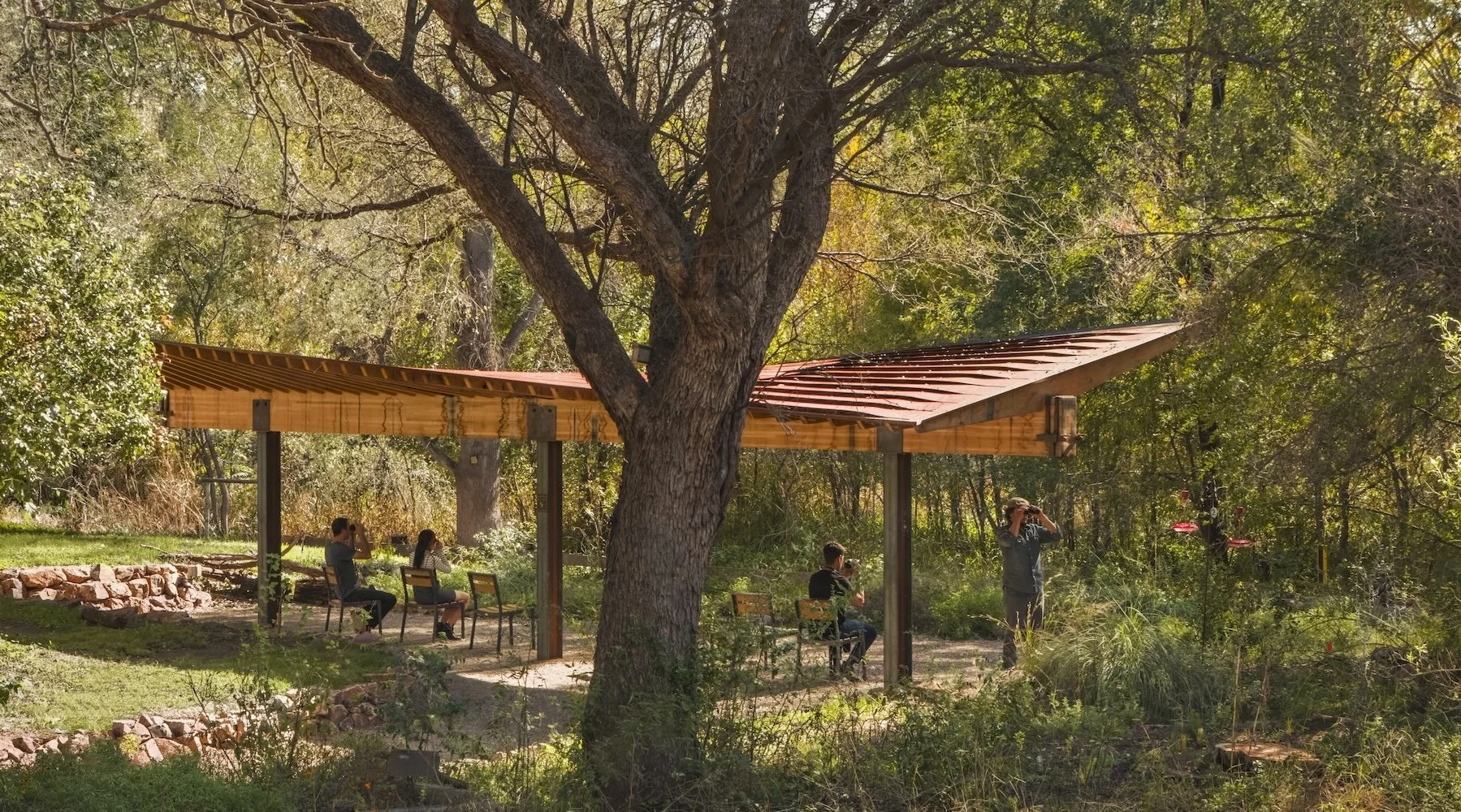
How can a small residential firm pivot to public architecture?
How does a two-person studio win large-scale, multi-type work?
Closely reading an RFP means understanding underlying motivations that may not be stated outright. Identifying these can help guide deeper research and more focused messaging that speak to the client’s priorities and vision for the project.
An RFP isn’t just a list of requirements. It holds clues about what the client’s priorities are and what institutional pressures they may be responding to.
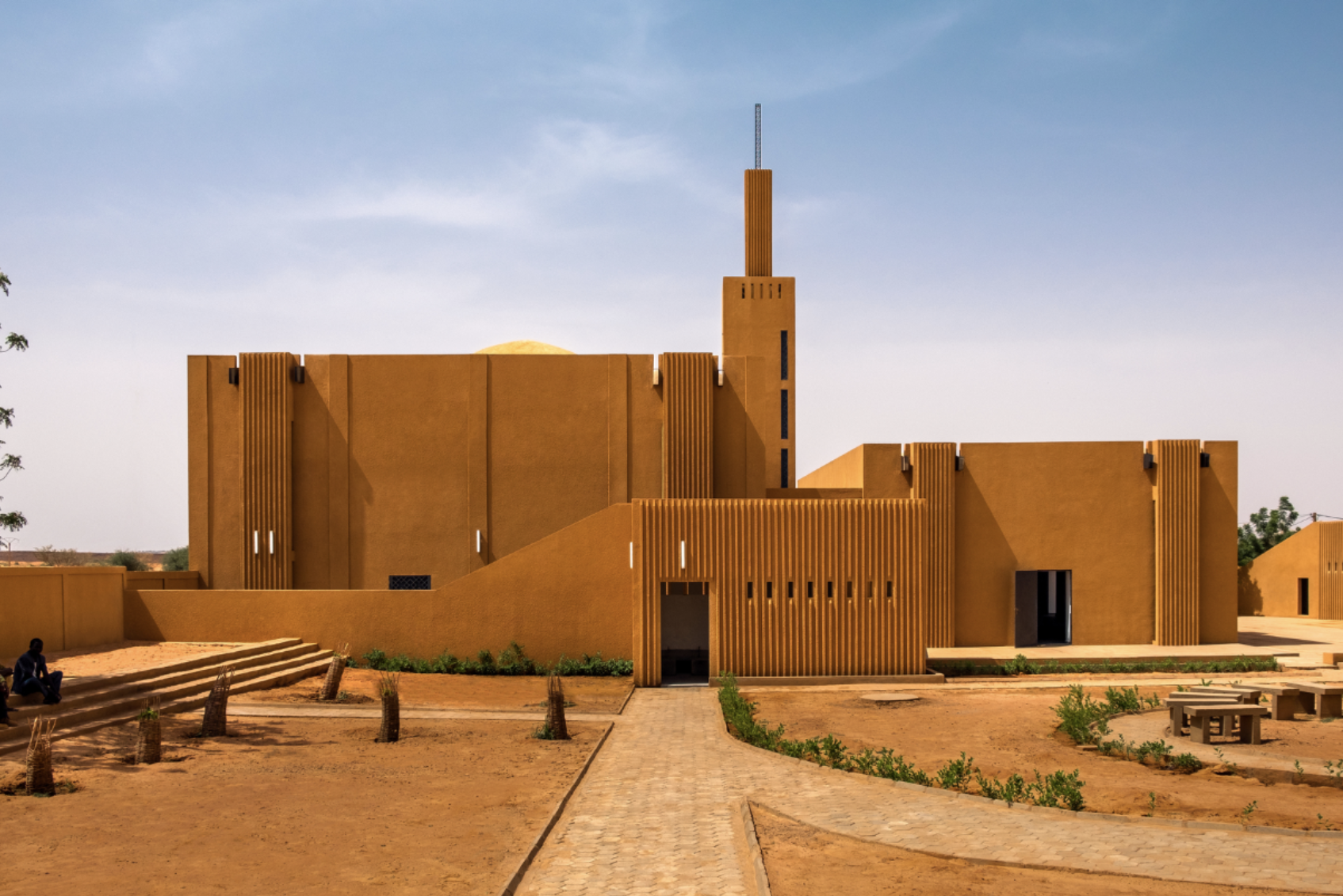
What does it take for a regional firm to go global?
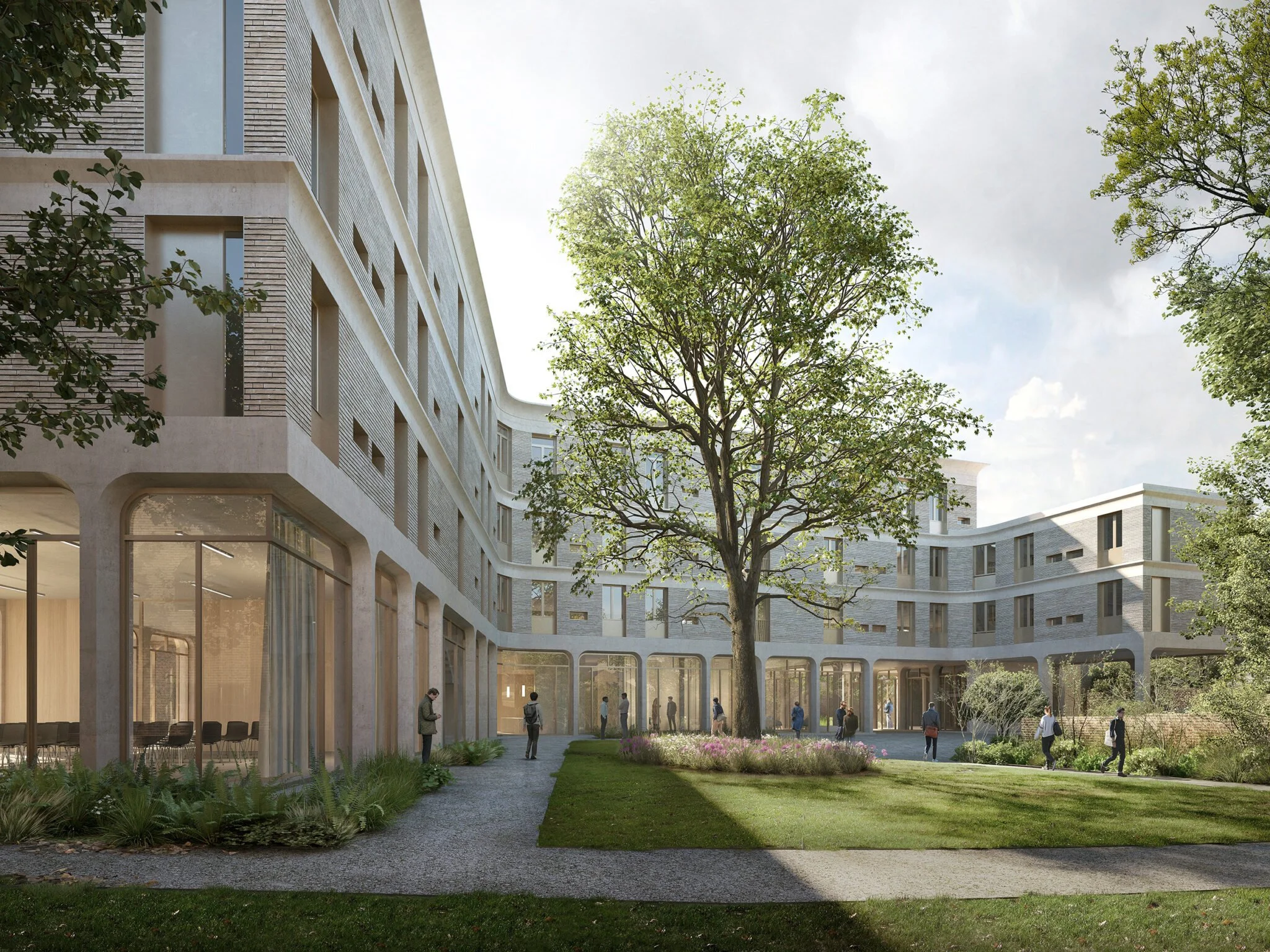
How do you launch the world's largest library for both local and global audiences?
How does a firm win mass timber projects with no previous experience?
How does a Hong Kong firm resonate with an international audience?